
The Row’s own Bags Overview, Decoded: A Look at the Label’s Signature Shapes
In present-day fashion, The Row occupies a distinctive standing. Since its founding by Mary-Kate and Ashley Olsen in 2006, the label has spent nearly two decades cultivating a name based on restraint rather than logos or seasonal noise. Absent are the monogram canvas, the obvious branding, the visible hardware demanding attention. Rather, it is proportion, leather quality, and carefully rewarded construction that The Row bags lean on. To grasp why these pieces command such loyalty — and such high resale value — it’s worthwhile to look at the core silhouettes that shape the house, rather than grouping the collection together as an undifferentiated pile of “luxury minimalism.”
This overview takes on the shapes that count, and makes clear what distinguishes a genuinely excellent piece from a merely expensive one; in addition, it offers useful guidance on where to look if you’re hunting for a deal, including how a row sale actually tends to unfold in real life.
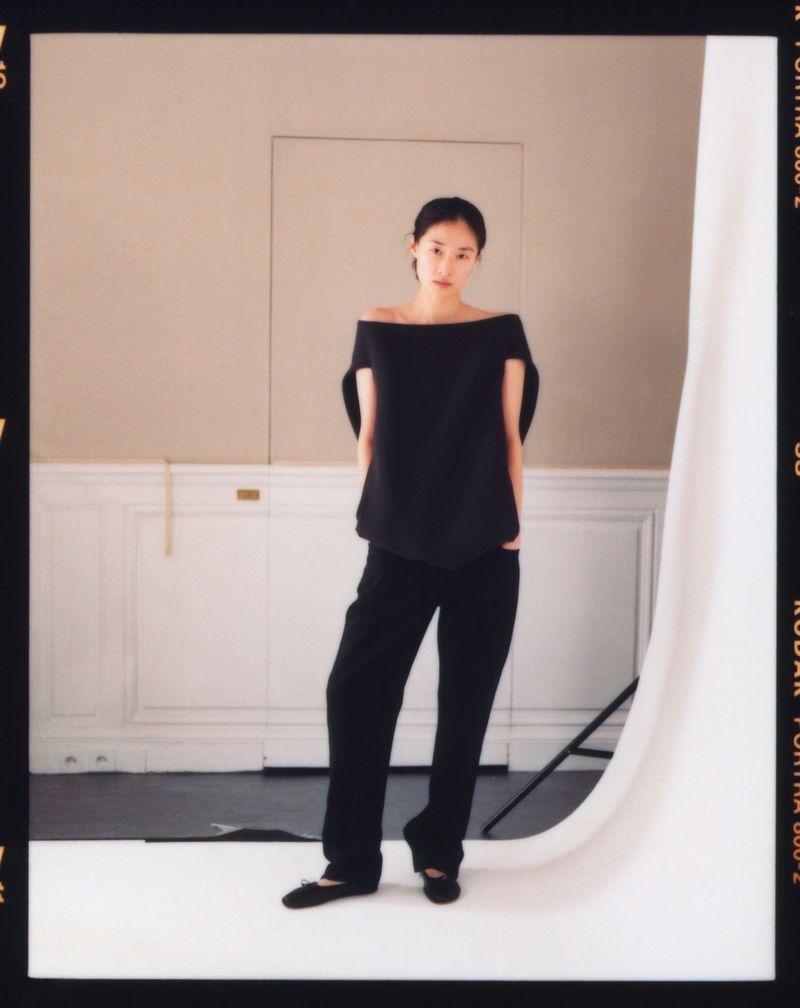
What Sets Apart The Row’s own Handbag Ethos Stands Apart
The majority of luxury houses build recognition through repetition — a distinctive hardware detail, a padded diamond-stitch design, a branded initial print. The Row does the opposite. Relaxed, fluid shapes, subdued color schemes (think taupe, ecru, black, and various browns), and leathers so supple they require barely any decoration to earn their price — this is what its aesthetic rests upon. This is a conscious choice. The designers have spoken about their wish for clothing and accessories to operate as discreet row leather top handle refinement rather than conspicuous status markers.
What emerges is an assortment of the row’s bags that appear almost the same in photos yet seem entirely distinct when handled. Someone buying for the first time often undervalues The Row until they run their hands over the leather or pick up on how a bag maintains its form without rigid interior support. That tactile difference is central to appreciating the label’s pricing structure, which typically falls somewhere between $2,000 and $6,900 based on the size, the leather used, and the hardware finish.
The Margaux Tote: The Label’s Signature Tote
When it comes to the one bag that put The Row on the map for a broader audience beyond fashion insiders, it’s the Margaux. In the years following its early-2010s launch, this the row tote bag — initially unveiled in the early 2010s — had turned into a quietly coveted favorite, favored by editors, stylists, and off-duty models in pursuit of a bag that read as expensive without looking flashy. With sizing commonly referenced as Margaux 10, 12, 15, and 17 — the figure loosely reflecting width in inches — the Margaux comes in multiple sizes, offering shoppers options spanning compact everyday carry to a genuine work tote that accommodates a laptop and documents.
The shape on its own is understated: an open-top tote defined by its dramatic drape, minimal fittings, and shoulder-friendly rolled handles. Colourways rotate through the seasons though sticking close to a muted palette, and leather choices have included both smooth and grained leather types. Plenty of buyers want to know where to buy The Row Margaux bag, and the reality is that availability fluctuates — the label purposefully caps supply, which helps explain resale interest continues unabated.
The Sofia, the Wander, and Other Structured Options
Aside from the Margaux, The Row’s lineup features several structured, or semi-structured, bags designed for varying needs. The Sofia bag offers a more architectural top-handle shape, appealing to buyers who want something closer to a briefcase silhouette than a slouchy tote. The Wander bag, meanwhile, has built its own following as a crossbody option — smaller, more casual, and priced more accessibly than the brand’s larger totes, often making it a common entry point for first-time buyers.
There’s also the Ascot, a boxier top-handle bag with a noticeably retro silhouette, alongside various clutch and pouch styles that surface more sporadically from season to season. Each of these speaks to a different use case: the Sofia for office wear, the Wander for daily errands, the Ascot for evening or more formal settings. Understanding this range matters because The Row is frequently boiled down in conversation to “the tote brand,” when in truth the brand turns out a quite varied set of shapes across multiple price points and functions.
Materials, Construction, and What Justifies the Price
A key driver behind the brand’s price point is The Row’s leather sourcing practices. Leathers tanned in Italy have been used extensively by the label, and on pieces like the Margaux, the finishing technique uses minimal stitching lines specifically to achieve the loose, undone hang. Fewer seams generally mean more leather waste during production, which is part of why the cost stays high even though the aesthetic reads as simple.
Low-key hardware — small clasps, discreet zippers, subtle stamped logos rather than embossed logos — tends to be the norm when it’s present at all. Such consistency holds true across the row bag lineup and extends to smaller leather goods like card holders and pouches. Shoppers evaluating a purchase should carefully examine stitching uniformity, how the leather weathers over time (most pieces acquire a natural patina with age), and whether the bag’s slouch returns to shape after use, since these details are what distinguish genuine quality from counterfeit items saturating secondary markets.
A Comparison of the Core Silhouettes
The table below summarizes the key distinctions between four of the most commonly searched-for the row bags, based on typical size range, intended purpose, and general price positioning as of 2026.
| Shape | Typical Use | Available Sizing | Ballpark Pricing Level |
|---|---|---|---|
| Margaux | Everyday tote, office bag | Margaux 10 to Margaux 17 | Mid to high (depends based on size and leather type) |
| Sofia | Structured office carry | Mainly a single core size, with the odd variant | High |
| Wander | A cross-body style suited to casual everyday wear | Centered around a single compact size | Lower entry point relative to totes |
| Ascot | Formal events, nighttime use | Compact to medium | High |
A buyer who’s sizing up the leading Row bags will find a working framework here before deciding what to buy — though this comparison isn’t exhaustive, since The Row rotates limited-run pieces and seasonal colourways often.
Making Sense of the Way a Row Sale Genuinely Operates, and How to Spot Great Discounts
As a deliberate choice, The Row refrains from heavy discounting. Unlike mass-market luxury brands that run frequent promotional cycles, The Row’s markdowns tend to appear at the tail end of a season, often through authorized multi-brand retailers rather than the brand’s own channels. A row sale is more likely to surface at established luxury e-commerce platforms or department stores carrying the line, rather than through flash sales or brand newsletters.
Because production runs are small, reduced-price items sell out in no time, and in-demand sizes such as the Margaux 12 almost never stay available past a few days after being discounted. Being patient really pays off in this case. People earnest about getting a bargain should establish alerts with merchants known to offer The Row fashion lines, check end-of-season clearance sections around January and July, and be prepared to act fast once something appears. Reselling sites present a further option, though proving legitimacy matters greatly given the frequency with which counterfeit “Row-style” bags are found circulating.
Before You Buy, What to Consider
Choosing among the row handbags really boils down to practical fit over fleeting style, since the pieces in this line are designed for years of use, not just a season. Anyone commuting daily with a laptop will find far more use in a Margaux 15 or 17 than in a compact Wander. Anyone regularly dressing up for nighttime outings might favor the Ascot’s structured shape over the Margaux’s softer drape. Before making a final choice, a few practical questions are worth asking:
- How often will the bag get carried, and for what specific day-to-day purposes?
- Is regular conditioning feasible for you, or does the leather’s surface treatment fit a low-maintenance lifestyle instead?
- Would its size in balance with your frame and everyday day-to-day load?
- As an entry point into the house, might a more modest purchase like a little pouch or cardholder be more sensible?
These points are more consequential with The Row than with brands that lean on branding, because the attraction here is rooted in feel and utility rather than logos. A bag that doesn’t suit daily habits will simply sit unused, regardless of how beautifully it’s constructed.
Closing Reflections on Putting Together a The Row Edit
Shoppers gain a noticeably more focused vantage point by making sense of The Row’s signature styles — the Margaux, Sofia, Wander, and Ascot — rather than just scrolling through product pages at random.
Since every silhouette addresses a separate purpose, recognizing that distinction goes a long way toward justifying the investment involved.
The label’s steady disinterest in trend-chasing is the very reason its resale value has stayed robust through 2026, with some Margaux sizes outperforming in value retention than bags from far louder, more heavily marketed labels.
If you’re new to this, the savviest move is to identify the everyday need the bag has to fulfill, look into current stock through trusted stockists, and keep an eye out for seasonal markdowns as opposed to anticipating ongoing sales. The Row rewards patience and precision — much like the bags themselves.